When Conflict Grounds Flights: What Happens to Families Caught in International Crisis?
2nd March 2026
Over the weekend, airlines including British Airways and Virgin Atlantic grounded and diverted flights across the Middle East after joint US and Israeli strikes on Iran triggered escalating regional instability. Airspace closures, suspended operations across major Gulf hubs, and urgent security warnings have left thousands of families sheltering in place or suddenly unable to travel home.
The UK Government has advised against all travel to Israel and has urged British nationals in Qatar, Bahrain, Kuwait, the United Arab Emirates, and Saudi Arabia to remain indoors in secure locations.
For many people this is a stressful travel disruption. For international families, it can very quickly become something much more serious.
At MSB, we act for families whose lives, businesses and children span more than one country. When events like this unfold, we see first-hand how quickly global instability can turn into a deeply personal crisis.
When Travel Disruption Becomes a Legal Issue
Children Abroad During Contact
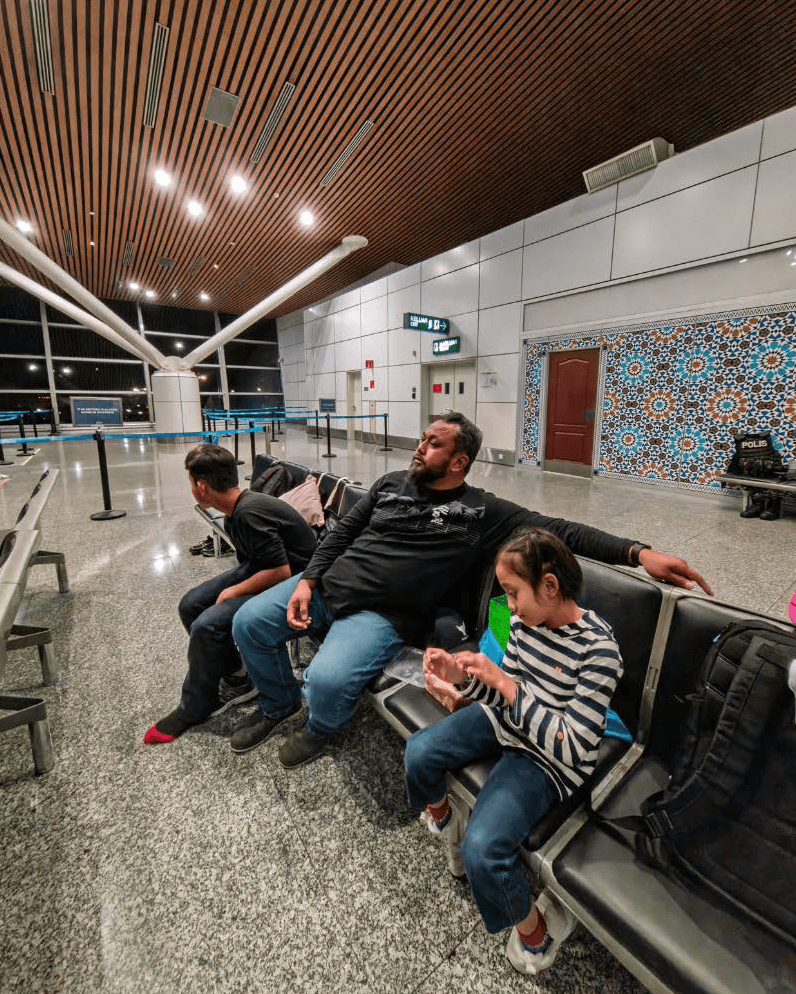
If a child is travelling under agreed contact arrangements and becomes stranded because flights are cancelled or airspace is closed, parents can find themselves in an anxious and vulnerable position.
Return dates may be missed. Court orders may technically be breached. Communication between parents can deteriorate quickly.
The family court will look at reasonableness and child welfare first. If a delay is genuinely outside a parent’s control, that will matter. What also matters is openness. Sharing evidence of cancelled flights, government advice and efforts to return home can prevent a difficult situation from becoming adversarial.
Behind every legal principle is a child who may be frightened and two parents who are worried. Keeping that perspective is vital.
Allegations of Wrongful Retention
In higher conflict situations, a delayed return can trigger allegations of wrongful retention under the Hague Convention.
Where flights from regional hubs are suspended and borders become unpredictable, parents may simply be unable to travel. Even so, the legal framework does not pause. The court will consider where the child is habitually resident, what any court order says, and whether every reasonable step was taken to secure a return.
Careful documentation and early legal advice can make the difference between a temporary delay and urgent international proceedings.
Families Living in the Region
For families permanently based in the Middle East, the questions are often more profound.
Parents may disagree about whether to remain where they are or to leave. One parent may feel strongly that relocation is the safest option. The other may believe that staying is more stable or practical.
We regularly advise on urgent applications involving relocation, prohibited steps and repatriation. These decisions are rarely purely legal. They are emotional, financial and deeply personal.
When tensions are already present in a relationship, external crisis can amplify them. Fear can turn into mistrust very quickly.
Parents Who Are Not British and Want to Flee to the UK
One of the most sensitive situations arises where a parent who is not British wishes to bring their child to England and Wales for safety.
The instinct to protect your child and leave a region experiencing conflict is completely understandable. However, the legal position is rarely straightforward.
Immigration Status
Entry to the UK depends on immigration status. A parent who is not a British citizen or does not hold settled status may require a visa. A child’s nationality also matters. In fast moving situations, families sometimes assume they can travel first and resolve paperwork later. That approach can create significant difficulties.
Parental Responsibility and Consent
If both parents hold parental responsibility, removing a child from their country of habitual residence without the other parent’s consent may amount to wrongful removal, even where the move is motivated by safety concerns.
Courts will look closely at whether there was genuine urgency, whether consent was sought, and whether there were lawful alternatives.
Habitual Residence and Jurisdiction
A child who has been living abroad will usually be habitually resident there. That means the local courts may retain jurisdiction over decisions about relocation. A unilateral move to England can lead to international return proceedings and prolonged litigation across borders.
Protection and Asylum
In more extreme cases, where there is credible risk of harm or persecution, families may explore asylum or humanitarian protection routes. These are complex and require specialist immigration advice alongside family law support.
In moments of crisis, decisions made quickly can have consequences that last for years. Careful, calm advice is essential.
The Human Impact
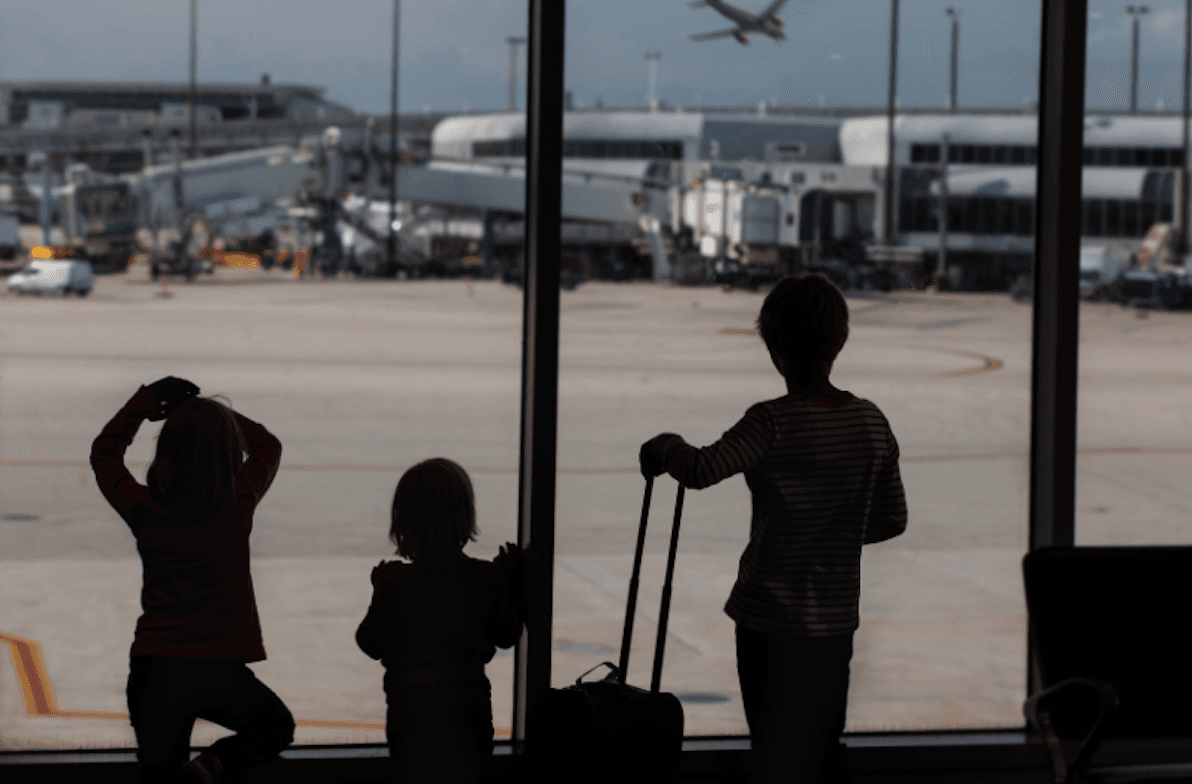
News reports speak of air raid alerts, missile interceptions and passengers sitting on grounded aircraft not knowing what will happen next. For adults this is unsettling. For children it can be frightening.
In our work we often see how external instability affects family dynamics. Parents worry not only about safety, but about schooling, finances, housing and extended family. Those pressures can strain even the strongest relationships.
It is important to remember that the court’s guiding principle remains the child’s welfare. Judges understand that parents sometimes have to make decisions in imperfect and frightening circumstances. What they look for is whether those decisions were proportionate, thoughtful and child focused.
Practical Steps for Parents
If you are affected by the current situation:
- Follow official government advice and keep a record of it.
- Communicate calmly and clearly with the other parent.
- Keep evidence of cancelled or rerouted flights.
- Do not remove a child across borders without legal advice.
- Seek urgent specialist advice if relocation or evacuation is being considered.
International families live interconnected lives. Events in Iran and across the Gulf can have immediate consequences for parents and children in the UK.
In times like these, what families often need most is steady, measured guidance. At MSB’s International Family Law team, we support families through complex cross border situations with discretion, clarity and empathy.
If you are worried about your child’s safety, your legal position, or the practical implications of the current developments, we are here to help.
Above all, we hope everyone affected by the current situation remains safe.
Author

Services
Share
.jpg&w=3840&q=75)