


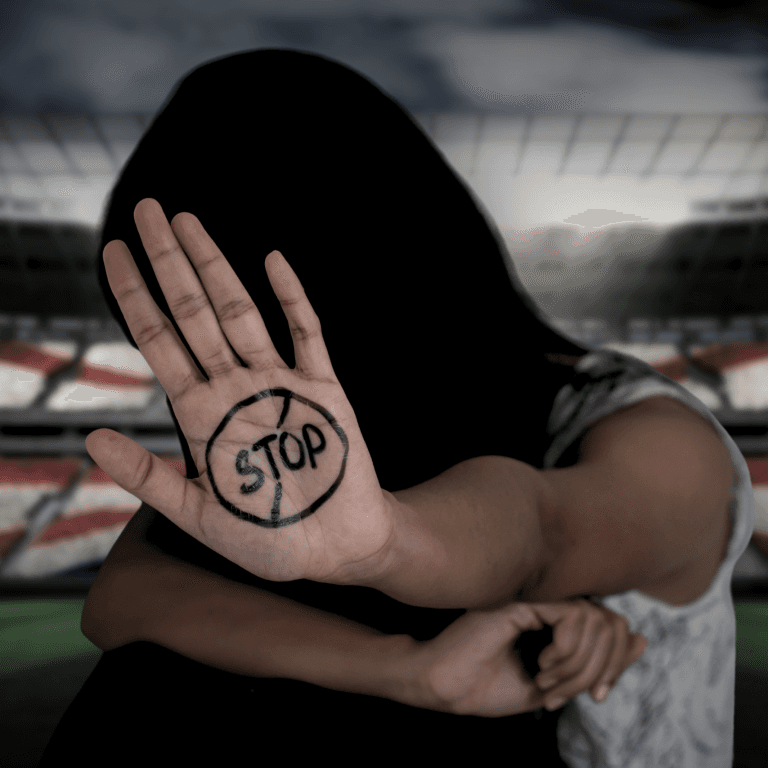
Stop Domestic Abuse Coming Home
6th July 2026
For many people, the World Cup is a time of excitement, anticipation and togetherness. However, for some, the tournament can bring a very different kind of tension into the home. Research from Lancaster University found that reported incidents of domestic abuse increased by 38% when England lost a World Cup match, and (even more shockingly) by 26% when England won or drew.
On 17th June 2026 Women’s Aid launched a new campaign, entitled “The Other Kick Off”, representing the estimated time that domestic abuse is predicted to rise after the first England game.
What is domestic abuse?
There is no stereotypical perpetrator, and anyone can be a victim.
Domestic abuse can take place between people who are, or have been, associated with each another. This can include partners, former partners, spouses, civil partners, relatives, or people who share parental responsibility for children. It can affect both adults and children.
Importantly, domestic abuse is not limited to physical violence. It can include:
- Physical abuse: including assault, pushing, slapping, punching, hair pulling, throwing objects or damaging property
- Threatening behaviour: including threats of violence, intimidation or making someone feel unsafe
- Emotional or psychological abuse: including criticism, humiliation, isolation or making someone feel worthless
- Controlling or coercive behaviour: including monitoring someone’s movements, friendships, phone, money or day-to-day decisions
- Economic or financial abuse: including restricting access to money, preventing someone from working, or controlling household finances
- Harassment, stalking, repeated messages, unwanted contact, or using third parties or social media to cause fear or distress
What should you look out for?
- Feeling frightened of a partner, ex-partner or family member, or changing your behaviour to avoid upsetting them
- Being isolated from friends, family or support networks
- Being constantly criticised, belittled, blamed or made to feel as though the abuse is your fault
- Having your phone, messages, social media, location or spending monitored
- Being pressured, threatened or forced into doing things you do not want to do
- Being prevented from leaving the home, working, studying, attending appointments or seeking help
- Noticing that abuse escalates around certain events, alcohol use, separation, child arrangements or financial pressure
How MSB can help
If you are experiencing domestic abuse, you do not have to manage the situation alone. If you are in immediate danger, you should always call 999.
The Family Court can make protective injunctions to help safeguard victims of domestic abuse. The two most common forms of injunction are Non-Molestation Orders and Occupation Orders.
Non-Molestation Orders
A Non-Molestation Order is designed to protect a person, and any relevant child, from abuse, harassment, threats or intimidation. Depending on the circumstances, it can prevent someone from:
- Using or threatening violence
- Contacting you directly or indirectly
- Coming to your home, workplace or children’s school
- Sending abusive messages, making repeated calls, or contacting you through social media
- Encouraging another person to harass, intimidate or approach you on their behalf
Breaching a Non-Molestation Order is a criminal offence. These Orders can often provide urgent protection where there is a real risk of further abuse.
Occupation Orders
An Occupation Order deals with who can live in, return to, or enter the family home. In some cases, the Court can exclude an abusive person from the property or from a surrounding area, even if they have a legal interest in the home.
If you are in immediate danger, please call 999. If you are unable to speak, you can use the silent solution system by pressing 55.
If you would like confidential advice about domestic abuse, protective injunctions or any other family law issue, please do not hesitate to get in touch with our experienced Family Team at MSB who can help you access the protection you need.






.jpg&w=3840&q=75)